Parlance Rants 4: The Feed
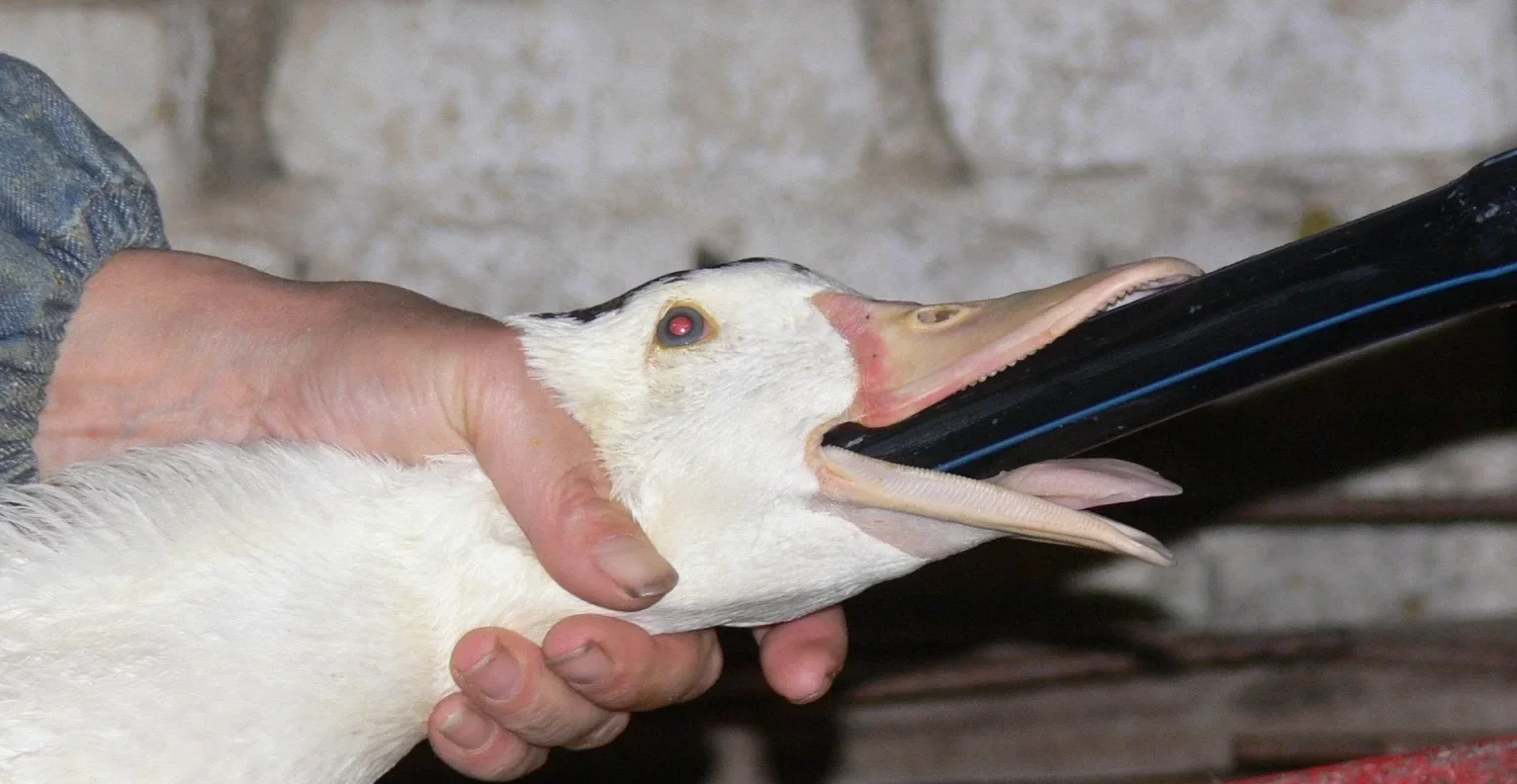
Feed. Image copyright: Four Paws
I was noodling on this idea yesterday (Halloween) and the day before* (Halloweve?) but as a father of two in the runup to Halloween I didn’t really have enough downtime to write it.
And then the extra noodling time had a surprising effect: what started out as a simple gripe about a contemptible word choice (feed) turned into a consideration of excess and agency.
I’ll explain.
Halloween seems like a good time to think about consumption and excess and maybe even gluttony, but speaking for my own moral calculus I’ll say…not really. Part of that is because the alleged gluttons are usually kids, and part is because of the short timecourse: it’s not a habit; it’s the one night. You get the same vibes as from Mardi Gras.
But there’s a deeper point here. There’s a reason the sin is called gluttony rather than exuberance or feasting. Not all excess is bad. Gluttony is corrosive because it’s a habit that removes the honest enjoyment of an experience, turning a natural good into a joyless burden. It’s an addiction and a corruption, not simply an overindulgence. Indeed, it strips indulgence of joy.
And that’s where we get to my deplored word of the moment: feed.
I know this isn’t a unique observation, but feed is such a gross term. Feed can be the action, the process, or the substance of consumption but in current parlance it’s the algorithmically determined stream of diverting inputs. As others have pointed out, the feed strengthens our engagement (38 full days per year on average?!?) by amplifying outrage.
The feed stuffs us with things we’ll pay attention to, against our better judgment. It exhausts attention by preempting our curation and selection of our own experiences. It burns out the circuitry we need to experience novelty and enjoyment.
This would be a shame and an anathema regardless of its name. But the term feed—like viewer—somehow both highlights and elides how debased we are when subjected to the attention economy. There’s no easy solution; attention is effort and there are strong forces devoted to diverting and extracting it. But there’s dignity to be found in the language we express and even the language we think. Reject the language of the trough, the nosebag, the foie gras pipe. Don’t feed. Choose.
* a German friend pointed out that English lacks a succinct term for “the day before yesterday (vorgestern) or “the day after tomorrow” (übermorgen). Apparently English did have these terms a while ago. There was the awkward and over-voweled, “ereyesterday,” but honestly I can see why that died out. The other one, though, “overmorrow,” is lovely and should absolutely have a revival.