Apposite
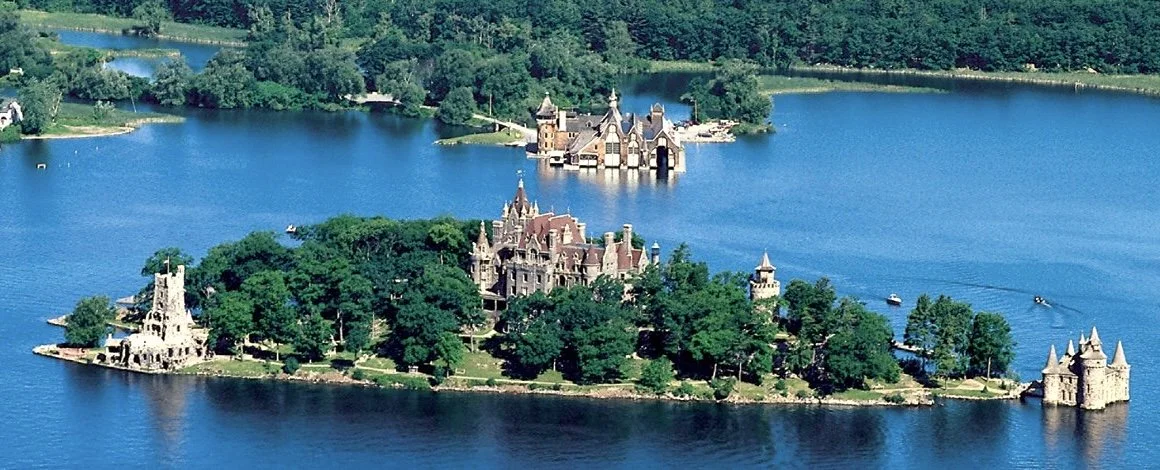
H[e]art Island, New York. Image: Wikimedia
As part of my ongoing effort to not write like an LLM, I want to talk a bit about when a word is '“apposite”—the perfect word for a particular moment, similar to the French concept of le mot juste. But to get there I need to spoil the plot of CS Lewis’s Space Trilogy. Sorry.
Apposite names…in space!
In Lewis’s books a philologist, Elwin Ransom, is transported to Mars and then to Venus, where he intercedes in a good-vs-evil battle that mirrors but eventually departs from the fall of Adam and Eve on Earth.
Near the climax of the second book, it becomes clear to Ransom that he will need to physically fight a colleague who has been possessed by the devil. He’s worried about this fight. He’s a university don: a bookish, middle-aged language expert. As a bookish middle-aged guy myself, I get it. Ransom is not prepared to chase and punch and bite and eventually smash a colleague’s face with a rock. However, his willingness to fight is rewarded with the strength to do so. Here’s where the apposite stuff comes in.
Being a good philologist, he had always understood his name as a sturdy, straightforward marker of descent: “Ranolf’s Son.” But during this fight he realizes he is literally having to pay the ransom for the salvation of this world. He’s a type of Christ, suffering in order to redeem. He realizes that choosing to do something and being fated to do something are somehow not at odds with one another. And in this moment he sees the whole arc of his life, from distant family ancestors until now, bending through time and space to bring him to this point. A facet of his identity, one that’s been there all along, suddenly catches the light and gleams brightly. His entire being is illuminated; he is the son of his forefathers and the one paying the price that delivers another from danger. His name encapsulates that reality. Much more than a pun, it’s a confluence of design and inherent meaning.
Thus, “Ransom” is an “apposite” name: perfectly suited to every aspect of the situation.
A broken h[e]art
Believe it or not, all this parallel occurred to me when I thought about Heart Island (pictured above). I was in the area last week and although I didn’t visit this time it’s never far from my mind. It’s a peculiar and beautiful and tragic place. Originally known as Hemlock Island, it was purchased in 1871 by a banker and politician, Elizur Hart. He styled it “Hart Island” and built an 80-room summer house there. After his death in 1893, the hotelier George Boldt acquired the island and renamed it “Heart Island”, reshaping it to more closely resemble a heart symbol (associated with romantic love since about the 15th century) and eventually beginning construction of a full-scale Rhineland-style castle as a gift for his wife Louise. When she died in 1904 he abandoned the project and the unfinished castle deteriorated for over 70 years before being acquired and renovated by, improbably, the Thousand Islands Bridge Authority.
“Heart” is the sort of surface-level appropriate name for the site of a grand romantic gesture. It’s a bit emoji-level, honestly. English wasn’t Boldt’s first language after all. But there are other levels here. Its previous name of Hart (meaning a stag) is also associated with romantic love and tragic unattainability, and the hart/heart pun is a commonplace, most famously in the opening scene of Twelfth Night (1602). Boldt himself certainly appreciated it. I’m also reminded of Thomas Wyatt’s 1530s poems Whoso List to Hunt, in which the lover pursues an unattainable deer, and “They Flee from Me” in which the woman resembles a tame dear and the poet represents himself as the “dear heart.”
Going one level further back, the island’s older name of Hemlock is probably a reference to the local evergreen tree and not the famous Socrates-slaying poison, but that sense of “poisoned chalice” is in there. And of course all this history is on top of a shaky foundation: it wasn’t originally originally Hemlock at all, but likely part of an Iroquoian territory.
I’m not saying there was a grand design moving these pieces into place, but for all these reasons I think Heart is le mot juste (or I guess le nom juste) for this island—even more so because, seen from above, the modifications that make it more closely resemble the “heart” shape now also make it look cracked. Apposite, indeed.